

Your Roof May Be Insured — But Is It Covered the Way You Think?
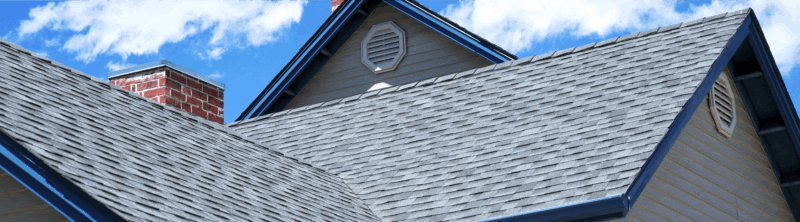
Your roof may be insured, but that does not always mean it is covered the way you think.
For many homeowners, the roof is one of those parts of the home that stays out of sight and out of mind — until there is a visible leak, a stain on the ceiling, or a pile of shingles in the flower bed after a storm. But roof issues often start long before they become obvious inside the home.
In Northern Virginia, our weather has opinions. Heavy rain, summer thunderstorms, hail, high winds, and winter weather can all take their turn on your roof. So it is worth understanding two things side by side: the condition of your roof, and how your insurance policy may actually respond if something goes wrong.
Please note: Insurance policies vary. This article is for general homeowner education only and is not insurance advice. Always review your specific policy with your insurance agent or carrier.
Small Roof Issues Can Turn Into Bigger Problems
A few missing shingles or a small area of lifted flashing may not seem like a major concern at first. But roof damage rarely gets better on its own.
Over time, even minor damage can lead to water intrusion, attic moisture, insulation problems, mold concerns, interior staining, and far more expensive repairs. By the time a homeowner notices a ceiling stain or an active leak, the issue may have been developing quietly for a while.
Common signs of roof damage can include:
- Missing, curling, or lifted shingles
- Granules collecting in gutters or near downspouts
- Loose flashing around chimneys, vents, or skylights
- Water stains on ceilings or walls
- Damp or musty smells in the attic
- Sagging, overflowing, or damaged gutters
- Shingles or roofing material found in the yard after a storm
- Visible damage after high winds, hail, or heavy rain
You do not need to climb onto the roof yourself to check for problems. In fact, it is usually safer to look for obvious signs from the ground and call a qualified roofing professional if something seems off.
The Insurance Piece Homeowners Often Miss
One of the biggest misunderstandings homeowners have is assuming that if a roof is damaged, insurance will automatically pay to replace it.
That is not always the case.
Many homeowners policies cover sudden and accidental roof damage, such as damage from wind, hail, or a fallen tree limb. What they typically do not cover is the slow stuff: age, ordinary wear, lost granules, or a roof that was simply reaching the end of its life.
Insurance is generally built for the sudden and accidental, not the gradual and inevitable.
Even when storm damage is covered, what the insurer actually pays depends on several factors: the cause of the damage, the age and condition of the roof, your deductible, and whether your policy covers the roof at replacement cost or actual cash value.
Replacement Cost vs. Actual Cash Value
This is the distinction that quietly decides everything.
Two policies can both say they cover your roof and still pay out very different amounts for the same storm damage.
Replacement Cost Value, or RCV, generally means the policy may pay what it costs to put on a comparable new roof today, minus your deductible and subject to the terms of the policy.
Actual Cash Value, or ACV, factors in depreciation. The insurer starts with the replacement cost and subtracts for age and condition. The older the roof, the larger that subtraction may be.
For example, say a comparable roof costs $20,000 to replace. Under replacement cost coverage, you may be working from roughly that $20,000 amount, minus your deductible. Under actual cash value, an older roof may be depreciated significantly before your deductible is even applied.
Same storm. Same damage. Same house. Very different outcome, depending on how your policy values the roof.
One more wrinkle worth knowing: even with replacement cost coverage, insurers may pay in two pieces. They may send the depreciated amount first, then release the remaining recoverable depreciation after the work is completed and proof has been provided. That means you may still need to front part of the cost before being reimbursed.
This is exactly why it pays to know which kind of coverage you have before a storm, not after.
Roof Age Matters More Than Many Homeowners Realize
Here is the part that catches people off guard: your roof coverage may change as your roof gets older.
Some homeowners bought their policy years ago and assume the coverage has stayed the same. But policy language, endorsements, roof schedules, and renewal terms can change over time.
While every carrier is different, older roofs may be treated differently than newer roofs. Depending on the policy, an aging roof may be subject to depreciation, prorated coverage, actual cash value coverage, or a roof payment schedule.
Some insurers may also have additional requirements for older roofs when writing a new policy or renewing coverage.
That does not mean every older roof claim will be denied. A clear storm claim may still qualify, depending on the policy and the damage. But it does mean homeowners should not assume their roof is covered exactly the same way it was when the policy was first purchased.
The uncomfortable takeaway: your coverage can quietly become less favorable simply because your roof has gotten older.
Because every policy is different, this is a great question to take directly to your insurance agent.
Don’t Forget the Deductible
For years, many homeowners thought of their deductible as a flat number, often around $1,000. But many policies now carry a separate wind and hail deductible, and it may be a percentage of your home’s dwelling coverage rather than a flat dollar amount.
A 1% wind and hail deductible on a home insured for $500,000 is not $1,000. It is $5,000.
At 2% on a $400,000 home, you are looking at $8,000 before the policy pays anything at all.
Now stack that on top of actual cash value coverage, and you can land in a frustrating spot: an older roof whose depreciated payout is smaller than the deductible you would need to meet.
In that case, you may technically have roof coverage but receive little or no practical help with the cost.
Running that math now, before there is storm damage, can help prevent a very unpleasant surprise later.
After a Storm, Do Not Wait Too Long
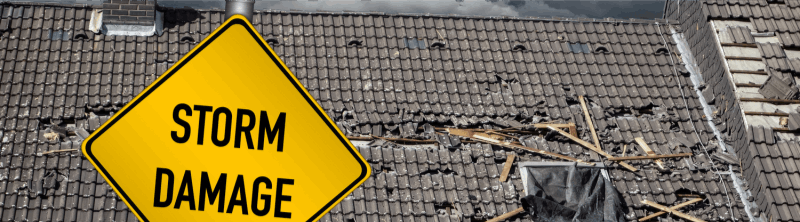
Storm damage is not always dramatic. It does not always look like a tree through the roof or water pouring into the living room.
High winds can lift shingles. Hail can cause damage that is difficult to see from the ground. Heavy rain can expose weak spots around flashing, vents, skylights, and gutters.
After a strong storm, walk around the outside of your home and look for anything unusual: shingles on the ground, damaged gutters, loose trim, or new water stains inside.
If you suspect damage, contact a reputable roofing professional and your insurance provider for guidance. It also helps to document what you notice with photos and to keep records of repairs, inspections, and maintenance.
Why This Matters Before Selling
Roof condition can become a major issue during a home sale.
Buyers notice roof age. Home inspectors look closely for signs of wear, leaks, storm damage, improper repairs, and deferred maintenance. Even if a buyer loves the home, roof concerns can quickly become part of the negotiation.
A roof issue can lead to repair requests, credits, insurance questions, closing delays, or buyer hesitation.
And here is where the insurance piece circles back: buyers have to insure the home too. An aging roof that creates insurance questions on their side can complicate a sale you thought was moving forward smoothly.
That does not always mean you need to replace the roof before listing. In some cases, it may make more sense to complete a targeted repair, gather documentation, price accordingly, or simply understand how the roof may shape buyer expectations.
The key is knowing before the buyer’s inspector tells you.
What Homeowners Can Do Now
Whether you are planning to stay in your home or thinking about selling in the next few years, a few proactive steps can make a real difference.
Pull out your declarations page and check four things:
- Is your roof covered at replacement cost or actual cash value?
- How old is your roof, and does your policy treat older roofs differently?
- Do you have a separate wind or hail deductible?
- Is that deductible a flat dollar amount or a percentage of your dwelling coverage?
Beyond the policy review, keep records of roof repairs, inspections, and maintenance. Pay attention after major storms. Have a trusted roofing professional evaluate concerns before they grow. And if you are planning to sell, talk with your real estate advisor before making major repairs.
Not every repair needs to be done before listing, but understanding the condition of the roof can help you make a smarter decision.
Protecting Your Home and Your Options
A roof is more than a maintenance item. It protects the structure, the interior, and the long-term value of your home.
For longtime homeowners, roof maintenance can easily fall into the “we’ll get to it eventually” category. But small issues are usually far easier to manage than the larger problems that can follow, especially when insurance, inspections, and resale value are all in the mix.
“I have insurance” is a comforting thought until the details matter. Insured and covered the way you think are not always the same thing.
If you are unsure where to start — whether because of storm damage, an aging roof, or plans to sell — it helps to have someone look at the full picture with you.
At The Lutkins Group, we help homeowners think through condition, timing, market expectations, and which repairs may actually matter before listing.
If you have questions about your home, your roof, or what buyers may notice, we are always happy to be a sounding board.
Categories
Recent Posts