
6 Real Estate Scams Older Homeowners and Their Families Should Watch For

6 Real Estate Scams Older Homeowners and Their Families Should Watch For
We’ve refreshed this guide with the latest FBI fraud figures, new information on AI-enabled scams, and Virginia property alert tools homeowners can use today.
At The Lutkins Group, our work goes beyond helping clients buy or sell a home. For many older adults and their families, real estate decisions are tied to decades of home equity, family history, financial security, and future planning — which is exactly why protection matters.
Unfortunately, scammers know this too.
According to the FBI’s 2025 Internet Crime Complaint Center report, Americans age 60 and older reported more than 201,000 fraud complaints and nearly $7.75 billion in losses. Investment-related fraud remained one of the costliest categories, while real estate-related fraud and AI-enabled scams continued to create new risks for homeowners and families.
Those numbers are alarming, but the goal of this guide is not to create fear. It is to help you slow down, recognize warning signs, and know what steps to take before signing documents, wiring money, hiring a contractor, or trusting an urgent request.
Below are six real estate-related scams older homeowners and their families should watch for — along with practical ways to stay protected.
🏠 Reverse Mortgage Scams: Proceed with Caution
Reverse mortgages can be legitimate financial tools for homeowners age 62 and older, allowing them to convert home equity into cash. However, this area can also attract scammers who target older homeowners with confusing terms, misleading promises, or high-pressure sales tactics.
Common warning signs include:
- Fraudulent reverse mortgage offers with excessive fees
- Loan terms that are difficult to understand or hidden in fine print
- Pressure to sign quickly before talking with family or an advisor
- Schemes designed to steal loan proceeds after closing
How to protect yourself:
Always work with a HUD-approved reverse mortgage counselor or lender. Bring a trusted family member, financial advisor, or attorney into the conversation before signing anything. A legitimate professional should be willing to explain the details clearly and give you time to review your options.
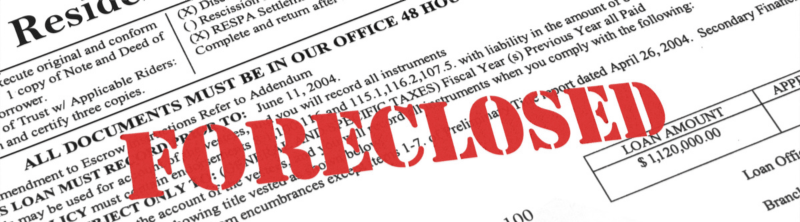
🔑 Foreclosure Rescue Scams: Beware of “Quick Fix” Promises
When a homeowner is facing foreclosure, the stress and urgency can make them especially vulnerable to people promising fast solutions.
These scams often come from so-called “foreclosure rescue specialists” who claim they can save the home, stop the foreclosure, or negotiate with the lender on the homeowner’s behalf.
Common warning signs include:
- Demands for large upfront fees
- Promises that sound too good to be true
- Instructions to stop communicating with your mortgage company
- Pressure to sign over the deed or transfer ownership
- Complicated paperwork that is not clearly explained
How to protect yourself:
Never pay for foreclosure assistance upfront. Contact your mortgage servicer directly and ask about available options. You can also seek help from a HUD-approved housing counselor, who may be able to provide free or low-cost guidance.
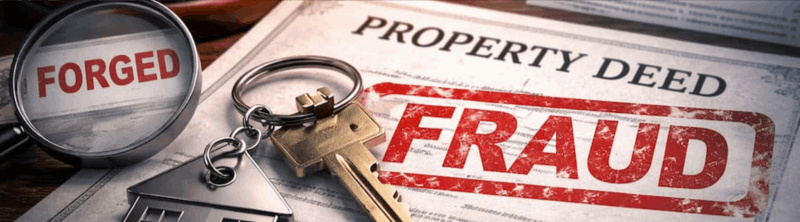
📝 Title & Deed Fraud: Guarding Your Property Rights
Title fraud — also called deed fraud, title theft, or seller impersonation fraud — involves identity theft and document forgery to transfer property ownership without the true owner’s knowledge. Once scammers gain control of a title, they may try to sell the property, borrow against it, or create legal problems that can be difficult and expensive to untangle.
This has become a growing concern in Virginia and across the country.
A statewide Virginia Deed Fraud Study completed in late 2025 found that fraudsters often target vacant or unencumbered properties — such as second homes, inherited property, vacant land, or homes that are not regularly occupied. Scammers may pull owner information from public records, forge signatures, impersonate the rightful owner, and push rushed, cash-only sales that bypass the agents, lenders, title companies, and attorneys who might otherwise catch red flags.
In other words, cutting professionals out of the transaction is often part of the scheme — not a shortcut.
How to protect yourself:
- Enroll in a free property-record alert system where available. These alerts do not prevent fraud before it happens, but they can give homeowners early notice if a document is recorded under their name or parcel information.
- Virginia property owners can check VADeed Alert, a free notification service developed and maintained by the Office of the Executive Secretary of the Supreme Court of Virginia.
- Loudoun County property owners can also look into AlertMe, a free land-recording notification system offered through the Loudoun County Clerk of the Circuit Court.
- Prince William County residents, including residents of Manassas and Manassas Park, can use the county’s free Property Alert System.
- Because programs vary by locality, check directly with your county or city Circuit Court Clerk’s office for the most current enrollment option.
- Check your title periodically through your county Circuit Court Clerk.
- Watch for red flags such as unfamiliar mortgage statements, tax notices, foreclosure letters, or mail related to loans you never took out.
- Be especially cautious with vacant homes, inherited property, second homes, or land with no mortgage.
- Keep real estate transactions in the hands of licensed real estate, title, legal, and lending professionals.
- Consider owner’s title insurance when buying or refinancing.
🔨 Contractor Scams: Renovate Without Regret
Home improvement scams often target older homeowners, especially those who may need help with maintenance, safety updates, storm repairs, or preparation for a future sale.
A scammer may show up at the door, claim they noticed a serious issue, or offer a “today only” price for work that may be unnecessary, overpriced, incomplete, or never performed at all.
Common warning signs include:
- Demands for large upfront payments
- Pressure to make an immediate decision
- Suspiciously low estimates compared to other contractors
- Vague contracts or no written contract at all
- Refusal to provide license information, references, or proof of insurance
- Offers to “do the work today” using leftover materials
How to protect yourself:
Always check contractor credentials, licensing, insurance, and references. Get at least three written estimates, never pay in full upfront, and insist on a detailed written contract before work begins. If someone pressures you to decide immediately, that is usually a reason to pause — not proceed.
💰 Investment Property Scams: If It Sounds Too Good to Be True...
Fraudulent investment schemes often target older adults with promises of guaranteed high returns, passive income, or “can’t-miss” real estate opportunities.
According to the FBI, investment-related scams continue to be among the costliest fraud categories, and some schemes now blur the line between real estate, cryptocurrency, digital investing, and private lending.
Common warning signs include:
- Non-existent properties or developments
- Promises of unusually high or guaranteed returns
- High-pressure “limited time” offers
- Requests to wire money quickly
- Investment opportunities that are difficult to independently verify
- Cryptocurrency or hybrid investment deals tied to real estate
- A person discouraging you from involving an attorney, accountant, or financial advisor
How to protect yourself:
Research thoroughly before investing. Verify all property claims independently. Be wary of anyone promising guaranteed returns or asking you to move quickly. Before transferring money, talk with a trusted financial advisor, CPA, or attorney who is not connected to the investment opportunity.

🎙️ AI Voice Cloning & Deepfakes: The Newest — and Most Convincing — Threat
This is one of the newest and most unsettling threats because it feels so personal.
Using artificial intelligence, scammers can now clone a person’s voice from a short audio clip — sometimes pulled from social media, voicemail, or another online source. The result can sound alarmingly real.
In a real estate or family-finance context, this may sound like an urgent call from a grandchild, adult child, advisor, or even someone involved in a transaction. The caller may claim there is an emergency, a closing problem, a legal issue, or a last-minute need to wire money.
The common thread is urgency.
Scammers want you to act before you verify.
Common warning signs include:
- A familiar voice asking for money unexpectedly
- A request to keep the situation secret
- Pressure to act immediately
- Instructions to wire money, send cryptocurrency, or buy gift cards
- A caller who becomes upset when you ask questions or try to verify the story
How to protect yourself:
- Create a family “safe word.” Agree on a private word or phrase with close family members. If someone calls claiming to be in trouble, ask for the safe word before taking action.
- Hang up and call back. Use a phone number you already know, not a number the caller provides.
- Be skeptical of secrecy. Any request that includes “don’t tell anyone” or “you have to do this right now” should be treated as a major red flag.
- Never wire money, send cryptocurrency, or buy gift cards based on one unexpected call.
- If the request involves a real estate transaction, call your agent, title company, lender, or attorney directly using a verified number.
When in Doubt, Pause and Verify
One of the best ways to protect yourself or a loved one is also one of the simplest: slow the process down.
Scammers rely on urgency, fear, confusion, secrecy, and pressure. Legitimate professionals should be willing to give you time, answer questions, provide documentation, and allow you to involve trusted family members or advisors.
Before signing paperwork, sending money, hiring someone, or making a major real estate decision, pause and ask:
- Have I verified this person’s identity?
- Have I spoken with someone I trust?
- Am I being pressured to act quickly?
- Is someone asking me to keep this secret?
- Have I called the company, family member, or professional directly using a known number?
- Does this decision feel rushed, confusing, or emotionally charged?
If the answer raises concern, stop and verify before moving forward.
Protecting Older Homeowners and Their Families
At The Lutkins Group, we are committed to helping older adults and their families navigate the real estate market safely, thoughtfully, and with the right guidance.
Education and awareness are some of the best defenses against predatory tactics. Whether you are preparing for a move, helping a parent evaluate options, managing an inherited property, or simply trying to protect a home that has been in the family for years, it is important to have trusted professionals by your side.
Remember: legitimate real estate professionals will not pressure you to sign immediately, wire money unexpectedly, keep a transaction secret, or make a major decision without time to review the details.
Thinking through a move, a right-sizing, or simply planning for what comes next? That is exactly the kind of transition we help families navigate through Next Chapter Living — without pressure, and at your own pace.
Have questions about protecting yourself or a loved one from real estate scams? Contact The Lutkins Group for a confidential conversation with our senior-focused real estate specialists.
Categories
Recent Posts