

Should You Sell Your Home As-Is or Make Repairs First?

Should You Sell Your Home As-Is or Make Repairs First?
When preparing to sell, one of the first decisions homeowners face is how much work to do before listing.
Do you need to update every room—or could you sell successfully in its current condition?
Some homeowners worry buyers will overlook a property that is not fully updated. Others hesitate to spend time and money on a home they are preparing to leave.
Often, the right approach falls somewhere in between.
Selling as-is can be a practical choice, while a few strategic repairs may help attract more buyers and strengthen the sale. The key is knowing which improvements are likely to make a meaningful difference—and which may not deliver enough return to justify the investment.
What does selling a home as-is mean?
In general, selling a home as-is means offering it in its current condition, with the seller indicating that they do not plan to complete repairs before closing. Buyers may still conduct an inspection or request repairs or credits, depending on the terms of the contract.
An as-is sale also does not eliminate any disclosures that may be required under Virginia law. Virginia REALTORS® offers additional guidance on what an as-is sale means.
Selling as-is is not about ignoring the home’s condition. It requires a pricing and marketing strategy that reflects that condition from the beginning.
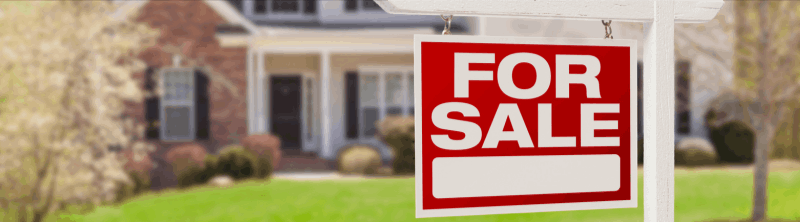
When selling as-is may make sense
An as-is sale may be worth considering when:
* Your timeline calls for a faster, simpler sale.
* You are managing an inherited property or navigating a significant life transition.
* You do not have the time, budget, or capacity to coordinate repairs.
* The home needs extensive updates that may not be fully recovered through the sale.
* The location, lot, or other desirable features may still generate strong buyer interest.
* The home is likely to appeal to buyers who plan to renovate or personalize it.
Selling as-is can simplify the preparation process, but it does not necessarily eliminate negotiation. The asking price should reflect the home’s current condition, and buyers may account for the anticipated cost and inconvenience of future repairs when making an offer.
When repairs may be worthwhile
Repairs may be worthwhile when a manageable investment could improve buyer confidence and help the home show at its best.
A broken fixture, active leak, damaged flooring, or other visible sign of deferred maintenance may cause buyers to wonder what else needs attention. Addressing these concerns can prevent relatively minor issues from overshadowing the home’s stronger features.
Freddie Mac recommends taking care of lingering maintenance items such as leaky faucets, broken door handles, and cracked windowpanes before listing. Learn more about preparing a home for sale.
Depending on the property, worthwhile improvements may include:
* Addressing active leaks or moisture problems
* Correcting obvious safety or functional concerns
* Repairing broken doors, windows, railings, or fixtures
* Touching up damaged or heavily marked walls
* Replacing worn carpeting
* Improving lighting
* Cleaning up and refreshing the landscaping
* Completing unfinished minor repairs
These changes may not transform the home, but they can reduce distractions, reassure buyers, and help them focus on its overall value.
Be cautious about major renovations
A complete kitchen, bathroom, or basement renovation may make a home more appealing, but it does not guarantee that you will recover the full cost when you sell.
The National Association of REALTORS®’ 2025 Remodeling Impact Report found that estimated cost recovery varies significantly by project. In some cases, smaller improvements offered stronger returns than more extensive renovations, reinforcing the importance of evaluating each project individually. Review the 2025 Remodeling Impact Report.
Before committing to a major renovation, consider:
* How updated and unupdated homes have recently sold in your area
* Whether buyers in your price range expect the proposed improvement
* How long the project will take
* The total cost, including possible unexpected expenses
* Whether it is likely to improve the sale price or marketability enough to justify the investment
* How the work fits with your desired moving timeline
A renovation that makes sense when you plan to enjoy it for several years may not provide the same value when you are preparing to sell.
Focus on the improvements buyers will notice
The goal is not necessarily to make the home look brand-new. It is to present it in a way that helps buyers see its potential without being distracted by avoidable concerns.
In many cases, thorough cleaning, decluttering, paint touch-ups, minor repairs, and thoughtful presentation can have a greater impact than an expensive renovation undertaken without a clear strategy.
The right preparation plan depends on the home’s condition, neighborhood, likely buyer pool, price range, and current competition. There is no universal list of projects that every seller should complete.
The bottom line
You do not need to repair or renovate everything before selling, but it is important to understand how your home’s condition may affect its price, buyer interest, and time on the market.
The right approach may be to sell as-is, complete a few targeted repairs, or use a combination of both. The decision should reflect the property, current market, your priorities, and your moving timeline.
At The Lutkins Group, we help Northern Virginia homeowners evaluate those options and determine which improvements may strengthen a sale—and which may not be worth the time or expense.
Before investing in a major project, make sure it supports your overall selling strategy and is likely to improve your final result.
Considering changes to your home?
Join The Lutkins Group for Creating Spaces for Better Living, an upcoming Lunch & Learn with interior designer Chandini Mathur of Yellowstone Interior Design.
Thursday, July 30
11:45 AM–1:15 PM
Venture X Brambleton
Chandini will share practical ideas for improving comfort, flow, and function—including what to prioritize when planning a remodel and how to improve a space without a full renovation.
Lunch will be provided. Learn more and register.

Frequently Asked Questions
Will selling my home as-is lower the sale price?
Not necessarily, but the home’s condition will influence how buyers evaluate it. The outcome depends on its location, overall condition, buyer demand, pricing, and competition. The asking price should reflect both the property’s current condition and the repairs or updates a buyer may need to complete.
Can buyers still have an inspection when a home is sold as-is?
In many as-is sales, buyers may still conduct an inspection and request repairs or credits. The seller may choose not to agree to those requests, depending on the terms of the contract.
Should I have a home inspection before listing?
A pre-listing inspection is not required, but it may help identify issues that could arise during a buyer’s inspection. Knowing about potential concerns in advance allows you to decide whether to address them, disclose them when required, or account for them in your pricing strategy.
Which repairs are most important before selling?
Safety concerns, active leaks, moisture problems, malfunctioning systems, and visible signs of deferred maintenance generally deserve attention first. Cosmetic improvements should be evaluated based on their likely impact and cost.
Should I remodel my kitchen or bathroom before listing?
Not automatically. A major renovation may take considerable time and may not provide a dollar-for-dollar return. Before beginning, compare updated and unupdated homes that have recently sold nearby and consider whether buyers in your market and price range expect that level of improvement.
Categories
Recent Posts