
Home Design Trends That Feel Fresh, Functional, and Timeless

Home Design Trends That Feel Fresh, Functional, and Timeless
Home design trends are not just about what looks good in a magazine. The best updates are the ones that make a home feel more comfortable, more functional, and more aligned with the way people actually live.
Today’s homeowners are moving away from spaces that feel overly staged, cold, or impersonal. Instead, many are leaning into warmth, flexibility, natural textures, better storage, wellness-focused spaces, and thoughtful upgrades that support everyday life.
Whether you are preparing to sell, thinking about your next chapter, or simply wanting your home to feel more current, here are home design trends worth paying attention to — especially if you want updates that feel fresh now without dating your home too quickly.
1. Warmer, More Personal Spaces
For a long time, home design leaned heavily into minimalism: white walls, gray floors, clean lines, and very little personality. That look is starting to soften.
Homeowners are now looking for spaces that feel more collected, layered, and lived in. That does not mean cluttered or overly decorated. It means choosing pieces that add warmth and character, such as meaningful artwork, vintage accents, natural wood tones, patterned textiles, and furniture that feels comfortable rather than showroom-perfect.
For sellers, this can be a positive shift. A home does not have to feel completely generic to appeal to buyers. In fact, a few thoughtful details can make a space feel more memorable. The key is balance. Personal touches should add warmth without making it difficult for a buyer to picture themselves in the home.
2. Thoughtful Use of Color
Neutral homes are not going away, but the all-white and all-gray look is no longer the only safe choice. Richer, warmer colors are showing up in bedrooms, dining rooms, offices, powder rooms, built-ins, cabinetry, and even ceilings.
Color can make a home feel more finished and intentional. Earthy greens, warm taupes, soft blues, mushroom tones, clay, rust, and deep navy can all add depth without feeling too trendy. Zillow has also reported increased interest in bolder, color-drenched spaces, where walls, trim, ceilings, and sometimes cabinetry are painted in the same or closely related tones.
If resale is on your mind, you do not need to make every room bold. A powder room, home office, dining room, or bedroom can be a great place to add color while keeping the main living areas more broadly appealing.
3. Natural Materials and Layered Texture
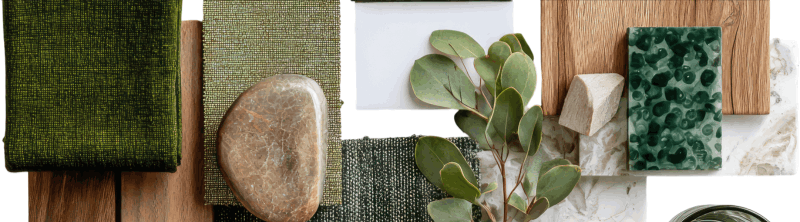
Texture is one of the easiest ways to make a home feel warmer and more current. Natural wood, stone, linen, woven accents, plaster finishes, handmade-looking tile, and matte or brushed metals can all help a room feel more grounded.
This is especially helpful in homes that have a lot of open space or neutral finishes. Texture adds interest without relying on loud colors or busy patterns. A natural fiber rug, textured window treatments, updated lighting, warm wood accents, or a more organic backsplash can change the feel of a room without requiring a major renovation.
The goal is not to make a space feel overly rustic or trendy. The goal is to create depth, comfort, and a sense of ease.
4. Quiet Corners and Cozy Retreats
As homes continue to serve so many purposes, people are craving smaller spaces where they can step away, read, work, think, or relax.
Reading nooks, window seats, built-in benches, tucked-away seating areas, and small flex spaces are becoming more appealing. Zillow’s trend reporting showed increased mentions of reading nooks in listing descriptions, which reflects a broader interest in quiet, personal spaces at home.
This is a practical trend because it does not always require major construction. A sunny corner, underused landing, deep window, or small alcove can often become a more intentional space with the right lighting, seating, shelving, and styling.
For homeowners thinking about aging in place or rightsizing, these spaces can also make a home feel more peaceful and easier to enjoy day to day.
5. Smarter Storage and Hidden Function
One of the biggest design priorities right now is making homes work better without making them feel crowded.
Homeowners want storage that is useful, discreet, and attractive. That might include built-in cabinetry, mudroom drop zones, appliance garages, hidden charging stations, pull-out pantry storage, concealed range hoods, panel-ready appliances, or furniture that serves more than one purpose. Houzz has highlighted hidden function, accessible layouts, and richer materials as part of how home design is evolving.
This matters for resale, too. Buyers notice when a home feels organized and easy to live in. Good storage can make a home feel larger, calmer, and more functional, even if the square footage has not changed.
Before adding more furniture or storage pieces, look at whether the home’s existing spaces are being used well. Sometimes the best design improvement is not adding more — it is making what is already there work better.
6. Kitchens with Warmth and Quiet Drama
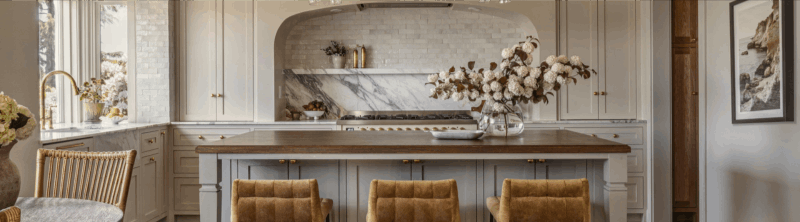
Kitchens remain one of the most important spaces in the home, but the look is shifting. Instead of cold, overly sleek kitchens, many homeowners are choosing warmer materials, softer finishes, and one or two statement details.
Natural wood cabinetry, warm white oak, quartz or quartzite countertops, soft veining, interesting backsplashes, and improved lighting can all make a kitchen feel elevated without feeling overdone. The National Kitchen & Bath Association has reported growing interest in natural kitchen materials, including wood grain cabinetry, white oak, quartz, quartzite, and wood flooring.
The strongest kitchen updates often combine beauty and function. A dramatic stone island may look beautiful, but better lighting, improved storage, and a more usable layout may matter just as much in daily life.
If you are updating with resale in mind, avoid going too far into a highly specific trend. Choose materials that feel warm, current, and timeless enough to appeal to a range of buyers.
7. Bathrooms That Feel Calm and Personal
Bathrooms are no longer viewed as purely functional spaces. More homeowners are treating them as everyday retreats.
Spa-inspired bathrooms continue to be popular, but the look does not have to be overly luxurious to be effective. Walk-in showers, better lighting, warm wood vanities, natural stone, soft colors, improved storage, heated floors, and brushed or matte fixtures can all make a bathroom feel more calming and elevated.
The National Kitchen & Bath Association has noted that bath design is becoming more personal, with natural materials, wood-faced vanities, and matte, brushed, or satin finishes gaining attention.
For long-term livability, it is also worth thinking about accessibility. A wider shower entry, better lighting, slip-resistant flooring, comfort-height vanities, and easier-to-use fixtures can make a bathroom more practical now and more supportive later.
8. Energy-Efficient and Future-Ready Updates
Not every valuable home update is cosmetic. Some of the smartest improvements are the ones that make a home more efficient, comfortable, and prepared for the future.
Better windows, improved insulation, updated HVAC systems, smart thermostats, efficient lighting, EV charging readiness, and solar considerations may not be as visually exciting as a kitchen or bathroom renovation, but they can matter a great deal to comfort and long-term cost.
Zillow’s home trend reporting also pointed to increased listing mentions of sustainable, green, zero-energy-ready, whole-home battery, and EV charging features.
For Northern Virginia homeowners, these updates can be especially practical when preparing for future resale. Buyers may still be drawn in by beautiful finishes, but many are also paying attention to maintenance, efficiency, and long-term ownership costs.
9. Outdoor Living That Feels Like Part of the Home
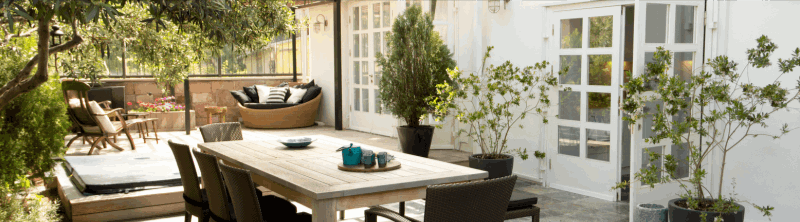
Outdoor spaces continue to be an important extension of the home. Patios, decks, screened porches, gardens, and yards can add meaningful living space, especially when they feel intentional and usable.
The trend is not just about having outdoor furniture. It is about creating outdoor areas that feel like places people would actually spend time. Comfortable seating, shade, lighting, planters, fire pits, defined dining areas, and better flow from inside to outside can all make a difference.
For sellers, this is an area where presentation matters. A clean, welcoming outdoor space can help buyers imagine morning coffee, family gatherings, quiet evenings, or entertaining friends. It does not need to be elaborate, but it should feel cared for and easy to enjoy.
10. Design Choices That Support the Way You Actually Live
The best home updates are the ones that support your real life.
Trends can offer inspiration, but they should not be the only reason you make a change. Before investing in a project, ask yourself:
Will this make the home more comfortable or functional?
Will it appeal to future buyers if I decide to sell?
Is this a timeless improvement or a short-term trend?
Does this update fit my budget, timeline, and stage of life?
Will this make the home easier to maintain?
A beautiful home is not just about finishes. It is about how well the space works for the people living in it.
For some homeowners, that may mean updating a kitchen or bath. For others, it may mean improving storage, refreshing paint, creating a better home office, making outdoor space more usable, or preparing the home for aging in place.
There is no one-size-fits-all answer. The right update depends on your home, your goals, and what comes next.
Final Thoughts
Home design is moving in a direction that feels warmer, more personal, more practical, and more connected to everyday life. The homes that stand out are not necessarily the ones that chase every trend. They are the ones that feel comfortable, thoughtful, and well cared for.
If you are thinking about updating your home, preparing to sell, or deciding which improvements are worth the investment, it helps to look at design through both a lifestyle and resale lens.
Not every trend is right for every home. But the right updates can make your home feel better now and position it more thoughtfully for your next chapter.
Thinking about which updates make sense before a move? The right improvements can help your home feel better now while also supporting your future plans.
The Lutkins Group is here to help you think through what is worth doing, what may not be necessary, and how your home fits into your next chapter.

What home updates are most worth considering before selling?
Focus on updates that improve first impressions, function, and broad appeal. Paint, lighting, flooring, minor kitchen and bathroom updates, landscaping, and better storage can all make a meaningful difference depending on the home.
Should I avoid bold colors if I plan to sell?
Not always. Bold color can work well in smaller spaces like powder rooms, offices, dining rooms, or bedrooms. For main living areas, softer neutral or earthy tones usually appeal to a wider range of buyers.
Are spa-like bathrooms still popular?
Yes. Buyers and homeowners continue to value bathrooms that feel clean, calming, and functional. Better lighting, walk-in showers, improved storage, warm finishes, and quality fixtures can help create that feel.
Do energy-efficient updates help resale?
They can. While every buyer values different things, energy-efficient systems, smart thermostats, better windows, and updated HVAC can support comfort, lower operating costs, and confidence in the home’s condition.
How do I know which updates are right for my home?
Start with your goals. If you plan to stay, focus on comfort and function. If you may sell soon, focus on improvements that appeal to buyers and avoid overly personal or highly trend-specific choices.
Categories
Recent Posts