

Selling Your Home, Without the Overwhelm: 5 Ways to Stay in Control
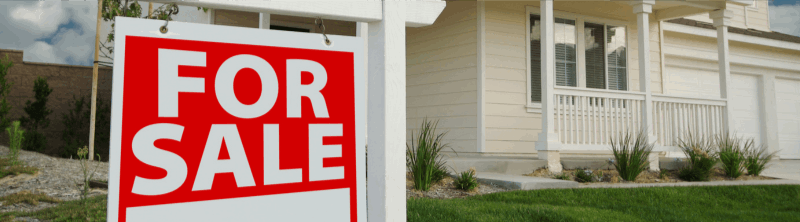
Selling your home is often described as one of life’s more stressful experiences—and in many cases, that’s true. Between preparing your home, managing showings, and navigating offers, it can quickly feel like a lot to manage all at once.
But stress during the home-selling process isn’t inevitable.
With the right approach and a clear plan, the process can feel far more manageable—and even empowering. Here are five practical ways to reduce stress and stay in control from start to finish.
1. Start with a Clear Plan (Before You List)
One of the biggest sources of stress when selling your home is uncertainty. Questions like “When should we list?” or “What happens if it sells quickly?” can quickly create unnecessary pressure.
Before your home ever hits the market, take time to map out:
- Your ideal timeline
- Where you’re going next
- Your top priorities (price, timing, convenience)
Having a clear plan in place provides direction—and makes decision-making much easier once things start moving.

2. Focus on Preparation, Not Perfection
It’s easy to feel like everything in your home needs to be flawless before listing. In reality, most buyers aren’t looking for perfection—they’re looking for a home that feels well cared for and easy to step into.
Focus on the updates that make the biggest impact:
- Decluttering and simplifying each space
- Taking care of light repairs and touch-ups
- Creating a clean, neutral presentation
The goal is to create a space that feels inviting and allows buyers to picture themselves living there—not to take on a full renovation before you sell.
3. Set Boundaries Around Showings
Showings can quickly become one of the most disruptive parts of the selling process—especially when they feel constant or unpredictable.
Setting clear expectations from the beginning can make a meaningful difference:
- Limiting showings to defined windows of time
- Planning ahead for weekday and weekend availability
- Keeping a simple, repeatable system for quick clean-ups
When showings are structured, they become far more manageable—and far less disruptive to your day-to-day routine.

4. Price Strategically from the Start
Pricing is one of the most important—and often most stressful—decisions in the selling process.
Many sellers worry about pricing too low. But in reality, overpricing can create more stress by:
- Extending time on the market
- Limiting buyer interest early on
- Leading to price reductions later
A thoughtful pricing strategy helps position your home to attract attention from the start—often resulting in stronger interest, better offers, and a smoother overall experience.
Pricing isn’t just about the number—it’s about how your home is positioned in the market.
5. Work with the Right Guidance
You don’t have to navigate this process alone—and you shouldn’t.
Having the right support in place means:
- You’re not reacting to every situation—you’re prepared for what’s ahead
- You have clear guidance around pricing, timing, and negotiation
- You have someone helping you think a few steps ahead—so you can make informed decisions with confidence
The right approach isn’t just about selling your home—it’s about creating an experience that feels thoughtful, organized, and aligned with your goals.
Final Thoughts
Selling your home will always come with some level of emotion and important decision-making—but it doesn’t have to feel overwhelming.
With a clear plan, thoughtful preparation, and the right strategy in place, you can move through the process with greater clarity, more confidence, and far less stress.
And just as importantly, it creates space to focus on what comes next—rather than getting lost in the process.

Common Questions About Selling Your Home
1. When is the best time to sell a home?
There’s no single “perfect” time to sell. While market conditions matter, the best time is often when it aligns with your personal goals, timeline, and next move. A thoughtful plan can make a strong outcome possible in a variety of market conditions.
2. How much should I prepare my home before listing?
Focus on the changes that create the most impact—decluttering, light repairs, and a clean, well-maintained appearance. Most buyers aren’t expecting perfection, but they do notice how a home feels.
3. What happens if my home doesn’t sell right away?
If a home doesn’t gain traction early, it’s often a sign that something may need to be adjusted—typically pricing or presentation. The first few weeks on the market are especially important, which is why preparation and strategy upfront matter.
4. Do I need to be available for every showing?
Not at all. Setting clear boundaries around showings is not only possible—it’s recommended. A structured approach helps maintain balance while still allowing buyers the opportunity to see your home.
5. How do I know if I’m pricing my home correctly?
Pricing isn’t just about the number—it’s about how your home is positioned in the market. A strong pricing strategy considers comparable homes, current buyer behavior, and how to generate interest early.
A Thoughtful Approach to Your Next Chapter Living
At The Lutkins Group, we believe selling your home is about more than just the transaction—it’s about helping you navigate what comes next with clarity and confidence.
Whether you’re downsizing, relocating, or simply starting to explore your options, our goal is to provide guidance that feels thoughtful, informed, and aligned with your priorities—without pressure.
If you’re beginning to think about a move, we’re here to be a resource as you begin planning your next step.
Categories
Recent Posts