

Romance Scams Targeting Seniors in 2026: How to Protect Your Finances & Home Equity

Romance Scams in 2026: How Adults 50+ Can Protect Their Finances and Future
In today’s digital world, more relationships begin online than ever before. From dating apps to Facebook groups and Instagram messages, online platforms have become common places to meet new people.
But alongside legitimate connections, there is a growing and serious risk.
Romance scams are now one of the fastest-growing financial crimes targeting adults over 50.
For individuals in transitional life stages — retirement planning, divorce, widowhood, or entering a new “next chapter” — the financial and emotional stakes are especially high.
According to the Federal Trade Commission, nearly 60,000 romance scam cases were reported in 2024 alone, with billions of dollars lost to impostor scams and cryptocurrency fraud. Research shows that adults ages 50–64 are particularly vulnerable — in part because they are highly active online and often managing major financial decisions and substantial assets.
In affluent markets like Northern Virginia — where home equity levels are high and many homeowners are planning retirement transitions — scammers see opportunity.
As trusted real estate advisors working closely with 55+ homeowners, we believe protecting your assets is just as important as growing them.
Understanding how romance scams work — and how to prevent online dating fraud — is an essential part of safeguarding your financial future.
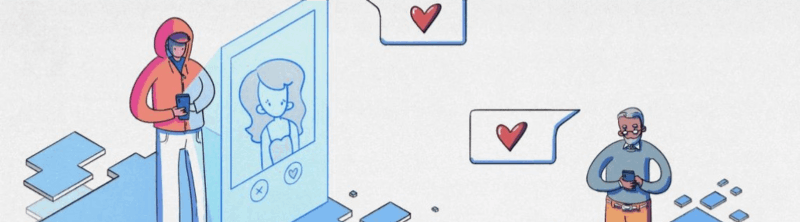
Why Romance Scams Are So Effective (And So Difficult to Detect)
What makes romance scams more dangerous than many other types of fraud?
They move slowly.
Unlike urgent “act now” schemes — such as IRS threats or phishing emails — romance scammers build trust gradually. Over weeks or even months, they create what feels like a genuine emotional relationship before introducing a financial request.
This long-game strategy is what makes romance fraud especially effective among adults 50+, retirees, and individuals navigating life transitions. By the time money enters the conversation, emotional investment is already deep.
Scammers aren’t rushing you.
They’re bonding with you.
Common Tactics Used in Online Romance Scams
Romance scammers tend to follow predictable patterns. Watch for these warning signs:
- Claims they live out of state or overseas, often citing military deployment, oil rig work, international business travel, or humanitarian aid.
- Excessive communication and “love bombing,” including rapid declarations of love and promises of a future together very early on.
- Avoidance of in-person meetings or live video calls, often paired with elaborate excuses.
- A sudden financial emergency, such as medical bills, legal trouble, or travel expenses to visit you.
- Cryptocurrency investment opportunities, where they claim insider knowledge or promise unusually high returns.
These tactics are designed to create emotional dependence before introducing financial exploitation.
By the time money is requested — whether through wire transfers, gift cards, or cryptocurrency — the relationship feels real and personal.
And when the scam is uncovered, victims often face more than financial loss. Many experience embarrassment, grief, and emotional trauma over what they believed was a genuine connection.
Recognizing the mechanics behind online dating fraud is the first step in protecting your life savings and preserving your financial stability.
Romance Scam Red Flags: What to Watch For
If you or someone you care about is forming a new online relationship, early awareness matters.
Here are the most common red flags:
✔ A “wrong number” text that turns into ongoing conversation
✔ Requests to move off a dating app quickly (WhatsApp, Telegram, private email)
✔ Claims they live far away or overseas
✔ Over-the-top affection within days or weeks
✔ A sudden emergency just before meeting
✔ Requests for money, wire transfers, gift cards, or cryptocurrency
✔ Pressure to keep the relationship private
The Biggest Red Flag? A Request for Money.
If someone you have never met in person asks for financial assistance, it is almost certainly a scam.
No legitimate romantic partner should require emergency funds, investments, or cryptocurrency from someone they have only met online.
Early detection can prevent devastating financial loss — especially for adults managing retirement funds, real estate assets, and long-term planning decisions.

How to Protect Yourself from Romance Scams
Online dating fraud increasingly targets adults 50+, retirees, and individuals in transition. Fortunately, proactive digital habits can significantly reduce your risk.
1. Limit What You Share Online
Avoid publicly sharing personal details such as widowhood, divorce, loneliness, travel plans, or financial changes.
2. Strengthen Privacy Settings
Adjust Facebook, Instagram, and other platforms so strangers cannot view your photos, friend lists, or location.
3. Verify Before You Trust
Conduct a reverse image search of profile photos. If the same image appears under multiple names, it may indicate a fraudulent identity.
4. Talk to Someone You Trust
Scammers rely on secrecy. An outside perspective from a friend, family member, or advisor can quickly identify warning signs.
5. Never Send Money or Cryptocurrency
Never send funds, wire transfers, gift cards, or cryptocurrency to someone you have not met in person.
One clear boundary protects everything else:
No money to someone you’ve only met online.

What to Do If You Suspect a Romance Scam
If something feels off, trust your instincts.
Speed matters. The faster you act, the better your chances of limiting financial damage.
Here are the immediate steps to take:
1. Stop All Communication
Cut off contact immediately.
2. Do Not Send Additional Funds
If money has already been sent, do not send more — even if pressure escalates.
3. Report the Profile
Report the account directly to the dating app or social media platform.
4. File a Complaint with the Internet Crime Complaint Center
Submitting a report at IC3.gov helps federal authorities track organized fraud networks.
5. Contact the AARP Fraud Watch Network
Call 877-908-3360 to speak with trained fraud specialists who can guide next steps and provide support.
Even if you’re unsure whether it was truly a scam, reporting suspicious activity helps protect others — especially older adults who are frequently targeted.
Why Romance Scam Awareness Matters in Your “Next Chapter”
At The Lutkins Group, we work closely with Northern Virginia homeowners navigating major life transitions — downsizing, rightsizing, retirement planning, or life after loss.
These next chapter moments often bring exciting new possibilities.
But they can also create financial vulnerability.
Scammers don’t just target bank accounts — they target trust.
For many homeowners, your largest asset is your home. Protecting your equity, preserving your savings, and making informed decisions during periods of transition are critical components of long-term financial confidence.
Whether you are exploring 55+ communities in Northern Virginia, considering downsizing, or simply evaluating your future plans, decisions should be made from a position of clarity and security.
Financial awareness is part of smart retirement planning.
And having experienced, trustworthy advisors in your corner matters — especially during life transitions.
Your next chapter should be built on confidence, security, and informed decisions — never compromise.
If you found this helpful, consider sharing it with a friend, neighbor, or family member. Increased awareness about romance scams and financial fraud prevention is one of the strongest protections we have — particularly within the 55+ community.
Categories
Recent Posts