
Quishing: The QR Code Scam You Should Know About
QR codes have become part of everyday life. We use them to view restaurant menus, pay for parking, access utility accounts, and even check in at community events.
As QR codes become more common, scammers have found new ways to exploit them — one of the fastest-growing tactics is a scam known as quishing.
At The Lutkins Group, we believe informed decisions extend beyond housing. Staying aware of emerging scams is an important part of protecting your financial well-being, which is why we’re sharing what quishing is, why it’s on the rise, and simple ways to protect yourself.
What Is Quishing?
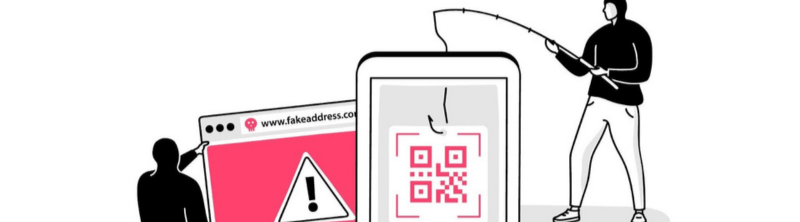
Quishing is short for QR code phishing. It occurs when a scammer uses a QR code to direct you to a fraudulent website designed to steal personal or financial information.
Unlike traditional phishing emails — which many people have learned to recognize — QR codes often feel convenient and trustworthy. You’re not clicking a suspicious link; you’re simply scanning a code.
That sense of ease and familiarity is exactly what scammers rely on.
Common Quishing Scams We’re Seeing
Here are several real-world examples that have been reported across the country:
🚗 Parking Payment Scams
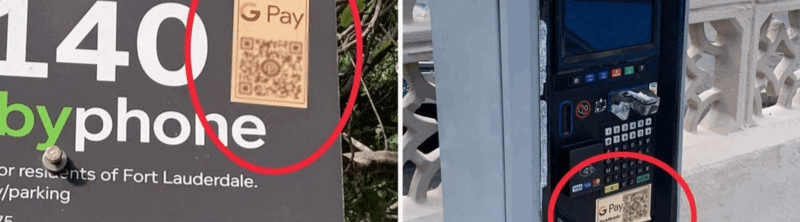
Scammers place fake QR code stickers over legitimate ones on parking meters. You scan the code, enter your payment information, and believe you’ve paid — but the money goes directly to the scammer.
📬 Utility or Bank Notices
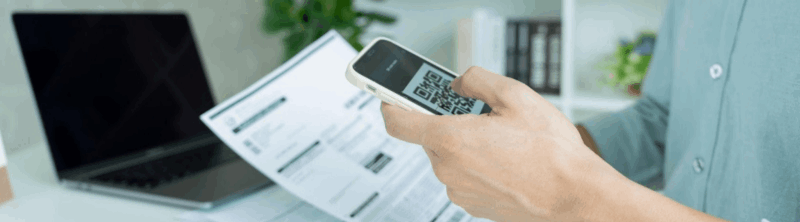
You may receive a letter or email claiming urgent action is needed to avoid service disruption. The QR code leads to a website that looks legitimate but is designed to capture login or payment information.
🏢 HOA or Community Boards
Flyers posted in mailrooms or common areas encourage residents to “scan for updates” or “access a new portal.” These QR codes often direct users to fake sites requesting personal details or login credentials.
🍽 Restaurant Menus
Fraudulent QR codes placed on tables or menus may redirect users to malicious websites or prompt unwanted downloads.
Why Quishing Targets Trust, Not Carelessness
Scammers aren’t looking for careless people — they target individuals who are established, busy, and accustomed to routine transactions.
Quishing scams are effective because many people:
- Have strong credit and multiple active accounts
- Manage banking, utilities, and subscriptions regularly
- Trust familiar formats like printed notices or official-looking signs
- Don’t expect scams to appear in everyday situations
These scams rely on trust and familiarity — not a lack of intelligence.
What Happens If You Scan a Malicious QR Code?
Once scanned, a fraudulent QR code may:
- Direct you to a website that closely mimics a legitimate company’s site
- Prompt you to log in, confirm personal details, or submit payment information
- Capture sensitive information immediately
- In some cases, install malware on your device
- Go unnoticed, with victims often realizing something is wrong weeks later
How to Protect Yourself (Simple Rules That Work)
QR codes themselves aren’t the problem — they’re a helpful, convenient tool when used intentionally. We regularly use QR codes in our own communications to make it easier to access information quickly. The key is knowing when a QR code is coming from a trusted source and when to pause before scanning.
✔ Treat QR Codes Like Links
If you wouldn’t click a random link, don’t scan a random QR code.
✔ Avoid Entering Login or Payment Information
Legitimate companies do not ask for sensitive information through QR codes.
✔ Go Directly to Official Websites
If a notice claims to be from your bank, utility company, or HOA, type the web address yourself or use the company’s official app.
✔ Check the Web Address Carefully
Look for misspellings, extra words, or unfamiliar domains before entering any information.
✔ Be Wary of Stickers
QR codes on stickers can easily be altered or replaced — especially on parking meters or public signs.
What to Do If You Think You’ve Been Targeted
If you believe you’ve scanned a malicious QR code:
- Disconnect your device from the internet
- Change passwords on any affected accounts immediately
- Contact your bank or credit card company to report potential fraud
- Run a security scan or consult a trusted technology professional
- Monitor your financial accounts and credit activity closely
Acting quickly can significantly reduce potential damage.
Why We’re Sharing This
At The Lutkins Group, we believe helping people make confident, informed decisions extends beyond housing. Staying aware of modern scams like quishing is part of protecting the future you’ve worked hard to build. If this information helps even one person avoid a difficult situation, it’s worth sharing.
A Simple Favor
If you found this helpful, consider forwarding it to a friend, neighbor, or family member — especially anyone who uses QR codes regularly.
If questions ever come up around housing decisions or planning your next chapter, The Lutkins Group is here as a trusted resource.
Categories
Recent Posts