

A Friend's Close Call with Carbon Monoxide: A Critical Wake-Up Story for All Homeowners
When the Fire Trucks Arrived on New Year's Eve
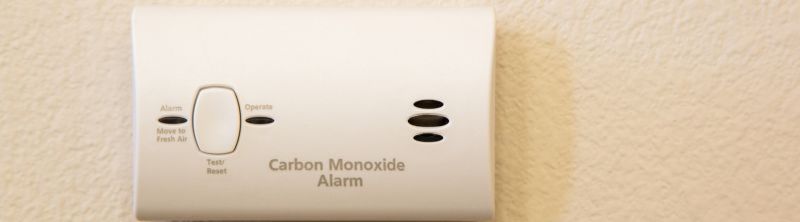
A close friend recently shared a terrifying experience that I believe every homeowner needs to hear. As the fire engine pulled up to their house on New Year's Eve, they realized how quickly a peaceful evening can turn into a life-threatening emergency. The carbon monoxide detector in their furnace room had just done its job—and likely saved their family's lives. I'm sharing their story because every homeowner needs to understand just how critical proper CO safety measures really are.
What happened to them could happen to any family. Their professionally monitored security system detected dangerous carbon monoxide levels and dispatched emergency responders within minutes. The firefighters evacuated the family and confirmed what they feared: CO levels in the home had reached concerning concentrations due to a suspected burner misfire or heat exchanger issue causing incomplete combustion. Thank God the alarm worked, it happened before bedtime, and everyone is safe. But it could have been tragically different.
Hearing about their experience shook me. As a real estate professional, I've walked through hundreds of homes, but this incident made me realize how many families might not have adequate carbon monoxide protection in place. I wanted to share what happened and the lessons we can all learn from their close call.
Understanding the Silent Killer in Your Home
Carbon monoxide is an invisible, odorless, and tasteless gas produced when fuel-burning appliances don't operate correctly. In homes that rely on natural gas furnaces, water heaters, and fireplaces for heating during cold winters, the risk is present in virtually every household. The gas is often called the "silent killer" because you can't detect it without proper equipment—and by the time symptoms appear, it may be too late.
According to the Centers for Disease Control, carbon monoxide causes approximately 420 unintentional deaths nationwide each year, with an estimated 50,000 emergency department visits annually for CO poisoning. In older neighborhoods with aging heating systems, heat exchanger cracks or combustion issues like the one my friend experienced are increasingly common.
The initial symptoms of carbon monoxide poisoning mirror the flu: headaches, fatigue, nausea, dizziness, and confused thinking. More severe exposure leads to mental confusion, loss of consciousness, and death. Because these symptoms develop gradually and can affect everyone in the home simultaneously, victims often cannot think clearly enough to recognize the danger or call for help.

What Every Homeowner Must Do Right Now
My friend's New Year's Eve scare taught me that hoping your carbon monoxide detectors work isn't enough—you need a comprehensive safety plan. Here's what every family should implement immediately.
✅ Install Detectors on Every Level and Outside Sleeping Areas
Fire safety experts recommend installing carbon monoxide alarms in a central location outside each sleeping area and on every level of your home, including the basement. This is particularly important in multi-story homes where the furnace room might be far from bedrooms. CO can travel throughout your house through ductwork and open spaces, so multiple detectors provide the coverage your family needs.
Pay special attention to detector placement near your furnace room, kitchen (if you have gas appliances), and sleeping areas. The alarm needs to be loud enough to wake you from sleep—because that's when you're most vulnerable. If your furnace is in the basement and your bedrooms are on the second floor, a single detector won't provide adequate protection.
⏰ Interconnect All Your Alarms for Maximum Safety
The most effective protection comes from interconnected smoke and carbon monoxide detectors. When one alarm sounds, they all sound throughout your house. This is critical if the source of CO is in your basement furnace room but your family is sleeping upstairs. Those precious extra seconds of warning time can make the difference between evacuation and tragedy.
Many newer homes are built with hardwired, interconnected alarm systems that meet current building codes. If your home has an older system, consider upgrading to this level of protection. Professional electricians can install these systems to provide comprehensive coverage.
🛠️ Test Monthly and Replace on Schedule
Carbon monoxide detectors have a limited lifespan—typically 5 to 10 years depending on the model. Check your detector's manufacture date and replace it according to the manufacturer's recommendations. For battery-operated units, replace batteries at least annually. A good reminder is to change them when you change your clocks for daylight saving time.
Test your detectors monthly by pressing the test button. If the alarm doesn't sound, replace the batteries immediately or replace the entire unit if it's a hardwired detector that's not functioning properly. Many local fire departments offer free carbon monoxide alarms to qualifying residents and will even come to your home to install them—check with your local fire marshal's office.
📅 Schedule Annual Professional Inspections of Fuel-Burning Appliances
Every fall, before you fire up your heating system for winter, have a qualified HVAC technician inspect your furnace, water heater, and other fuel-burning appliances. This annual maintenance can identify problems like cracked heat exchangers, misaligned burners, blocked vents, or other issues that lead to incomplete combustion and carbon monoxide production.
The problem that caused my friend's emergency likely developed gradually over time. A routine inspection might have caught it before it became dangerous. Licensed HVAC professionals can keep your home's heating systems running safely and efficiently year-round.
Don't forget to have your chimney inspected and cleaned annually if you use your fireplace. Never close the fireplace damper until you're certain the fire is completely out. Blocked chimneys and vents are common sources of carbon monoxide buildup in homes.
Consider Professional Monitoring Services
My friend's experience highlighted the incredible value of professional monitoring. Within seconds of their carbon monoxide detector activating, their security company called to check on them and dispatched emergency services. They didn't have to fumble for their phones, find the right number, or try to explain their location—it was all handled automatically.
Professional monitoring services that cover fire, smoke, carbon monoxide, and flood detection are available for less than $50 per month, though there is typically an initial setup cost. While not every family can afford this service, the rapid emergency response can be lifesaving. When seconds count and you might be disoriented from CO exposure, having professionals handle the emergency call is invaluable.
If professional monitoring isn't in your budget, make sure every family member knows to evacuate immediately if the CO alarm sounds and to call 911 from outside the home—preferably from a neighbor's phone or a location with fresh air.

Emergency Response: What to Do If Your Detector Activates
If your carbon monoxide alarm sounds, treat it as a real emergency every single time. Never assume it's a false alarm. Here's exactly what to do:
- Immediately evacuate everyone from the house, including pets. Don't waste time investigating, gathering belongings, or trying to find the source. Get everyone outside to fresh air. Leave doors open as you exit to allow ventilation, but don't delay evacuation to open windows throughout the house.
- Call 911 from outside your home—from your yard, a neighbor's house, or the street. The fire department has specialized equipment to measure carbon monoxide levels and identify the source. When firefighters responded to my friend's home, they used professional CO meters to check levels throughout the house and pinpoint the problem area.
- Do not re-enter your home until emergency responders declare it safe. Even if the alarm stops sounding, dangerous levels of carbon monoxide may still be present. The gas can linger in your home for hours depending on ventilation.
- Once cleared to return, have a qualified HVAC technician inspect all fuel-burning appliances before using them again. In my friend's case, they needed immediate furnace repairs before they could safely use their heating system.
Additional Prevention Measures for Homeowners
Beyond detector installation and maintenance, homeowners should take these additional precautions to prevent carbon monoxide emergencies:
- Never run your car, lawn mower, or any gas-powered equipment inside your garage—even with the garage door open. Attached garages are especially dangerous because CO can seep into your living space through connecting doors and shared walls. This is a particular concern in townhome communities where garages share walls with living spaces.
- Never use portable generators, grills, or camping stoves indoors or in enclosed spaces. After storms cause power outages, emergency rooms see a spike in carbon monoxide poisoning cases from improper generator use. Keep generators at least 20 feet from your home and away from windows and doors.
- During winter storms, check that your furnace vent, dryer vent, and chimney are clear of snow and ice. Heavy snowfall can block these vents and cause carbon monoxide to back up into your home. This is a common problem during major winter weather events.
- Never use your gas oven to heat your home. Even properly functioning ovens produce carbon monoxide when burning natural gas, and they're designed for intermittent cooking use—not continuous heating.
The Cost of Complacency vs. The Value of Preparedness
Looking back on my friend's experience, the investment they made in their home security system with professional monitoring was one of the best decisions they ever made. The initial setup cost and monthly monitoring fee seemed like just another expense—until that New Year's Eve when the system literally saved their lives.
Compare that relatively modest cost to the potential consequences: hospital bills for carbon monoxide poisoning treatment, permanent health effects from CO exposure, property damage from emergency response, or the unthinkable tragedy of losing a family member. Suddenly, spending $50 per month for professional monitoring seems incredibly reasonable.
Even if professional monitoring isn't feasible for your family, investing in quality carbon monoxide detectors for every level of your home is non-negotiable. Detectors are available at local hardware stores for $35 to $60—a small price for protection against the “silent killer”.
Don't Wait for Your Own Close Call
My friend's family was incredibly fortunate. The alarm worked. The monitoring company responded instantly. The fire department arrived quickly. Everyone evacuated safely. The emergency happened before bedtime when they were still awake and alert. But any one of those factors could have been different—with potentially tragic results.
I'm sharing their story because I don't want other families to learn this lesson the hard way. Check your carbon monoxide detectors today. Test them. Replace old batteries. Schedule your annual furnace inspection. If your detectors are more than 5-7 years old, replace them now.
The life you save could be your own family's. Don't assume it can't happen to you—my friends certainly didn't think it would happen to them on New Year's Eve. Carbon monoxide doesn't discriminate by neighborhood, home age, or how well you maintain your property. It only takes one malfunction, one blocked vent, one aging heat exchanger to create a life-threatening situation.
Stay safe. Test your alarms. Schedule those inspections. And have a plan for what to do if your detector sounds. Your family's safety depends on it.
Have questions about home safety or preparing your home for sale? The Lutkins Group specializes in helping homeowners throughout Northern Virginia—including Fairfax County, Loudoun County, and Prince William County—navigate every aspect of homeownership and real estate transactions. Whether you're looking for local contractors for home improvements, need advice on making your home safer before listing, or want to discuss your local real estate market, we're here to help. Contact The Lutkins Group today for personalized guidance on your real estate goals.
Categories
Recent Posts